By Jessica KJanuary 31, 2025 – 12:15 AM ET Instead of calming down, the GOP's assault on DEI is intensifying. As Republican lawmakers strive to undermine diversity initiatives in government, business, and educational institutions, DEI programs are facing criticism across. What’s behind this aggressive rollback? Supporters say it’s about fairness. Critics say it’s about control. …
By Jessica K
January 31, 2025 – 12:15 AM ET
Instead of calming down, the GOP’s assault on DEI is intensifying. As Republican lawmakers strive to undermine diversity initiatives in government, business, and educational institutions, DEI programs are facing criticism across. What’s behind this aggressive rollback? Supporters say it’s about fairness. Critics say it’s about control. Either way, the push to eliminate diversity programs under threat is moving full speed ahead.
The Myth of DEI ‘Failing’
Conservatives have latched onto the idea that DEI programs don’t work. They argue that affirmative action rollback was long overdue and that diversity initiatives are ineffective. The claim? These programs lower standards, promote reverse discrimination, and fail to deliver real results.
Here’s the problem—very few companies actually measure the impact of their DEI efforts. According to a Harvard Business Review study, most businesses have rushed to implement diversity policies but haven’t analyzed whether they improve hiring, retention, or workplace culture. That gap in data? It’s exactly what Republican war on DEI supporters are using to justify dismantling these initiatives.
So are diversity programs just a corporate PR stunt, or do they actually create change? Without data, it’s easy for opponents to claim DEI programs are being dismantled because they don’t work.
A Battle That’s Been Decades in the Making
DEI efforts didn’t just appear overnight. They’re rooted in decades of civil rights struggles. The 2003 Supreme Court case Grutter v. Bollinger upheld affirmative action in college admissions, reinforcing diversity as a legitimate goal in education and hiring.
Then came 2020. George Floyd’s murder ignited a national reckoning over race and inequality. Suddenly, corporations scrambled to show they “stood for justice.” Pledges were made. Billions were promised. DEI went from a corporate buzzword to a moral obligation.
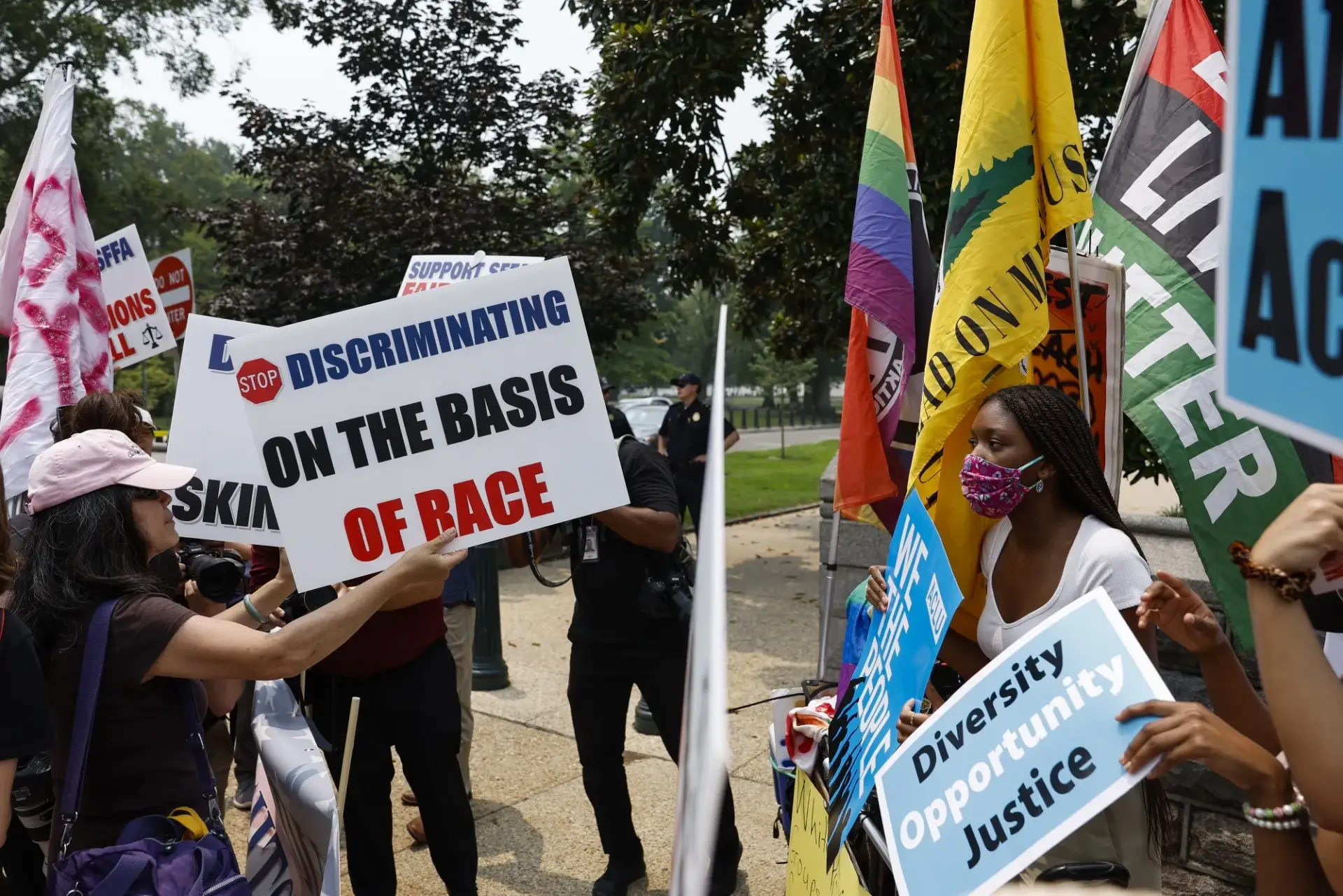
Fast forward to today, and anti-DEI legislation is sweeping across red states. DEI programs are being dismantled in public universities, government offices, and corporate spaces. The Supreme Court’s 2023 decision gutting affirmative action only emboldened the right-wing assault on diversity.
And they’re not stopping there.
Why This Fight Matters
I saw firsthand why diversity matters while working at Stars & Stripes. At a 2000 newsroom diversity conference, David Yarnold, then managing editor of the San Jose Mercury News, asked a simple but powerful question:
“Can a newsroom truly be accurate and credible if it doesn’t reflect the community it serves?”
That stuck with me. At my small town paper, we struggled to recruit and retain diverse journalists. Bigger newspapers lured them away with higher salaries. But one thing became clear—if your newsroom looks like a country club, you’re only telling part of the story.
It’s the same everywhere. DEI isn’t about quotas. It’s about ensuring all voices are heard, and diverse perspectives are represented. Yet, the GOP attack on DEI is pushing to erase these efforts, reinforcing the same dominant, white, male power structure that’s always been in place.
The Real Goal: Control, Not Fairness
The Republican war on DEI isn’t about fairness. It’s about control. It’s about keeping things exactly as they are. Anti-DEI legislation is about preserving privilege while claiming to defend meritocracy.
And if they win? The consequences won’t just be political. They’ll be felt in classrooms, boardrooms, and courtrooms across the country.
This isn’t just a culture war talking point. It’s a battle over who gets a seat at the table—and who gets shut out.
Subscribe to Our Newsletter
Keep in touch with our news & offers
Thank you for subscribing to the newsletter.
Oops. Something went wrong. Please try again later.